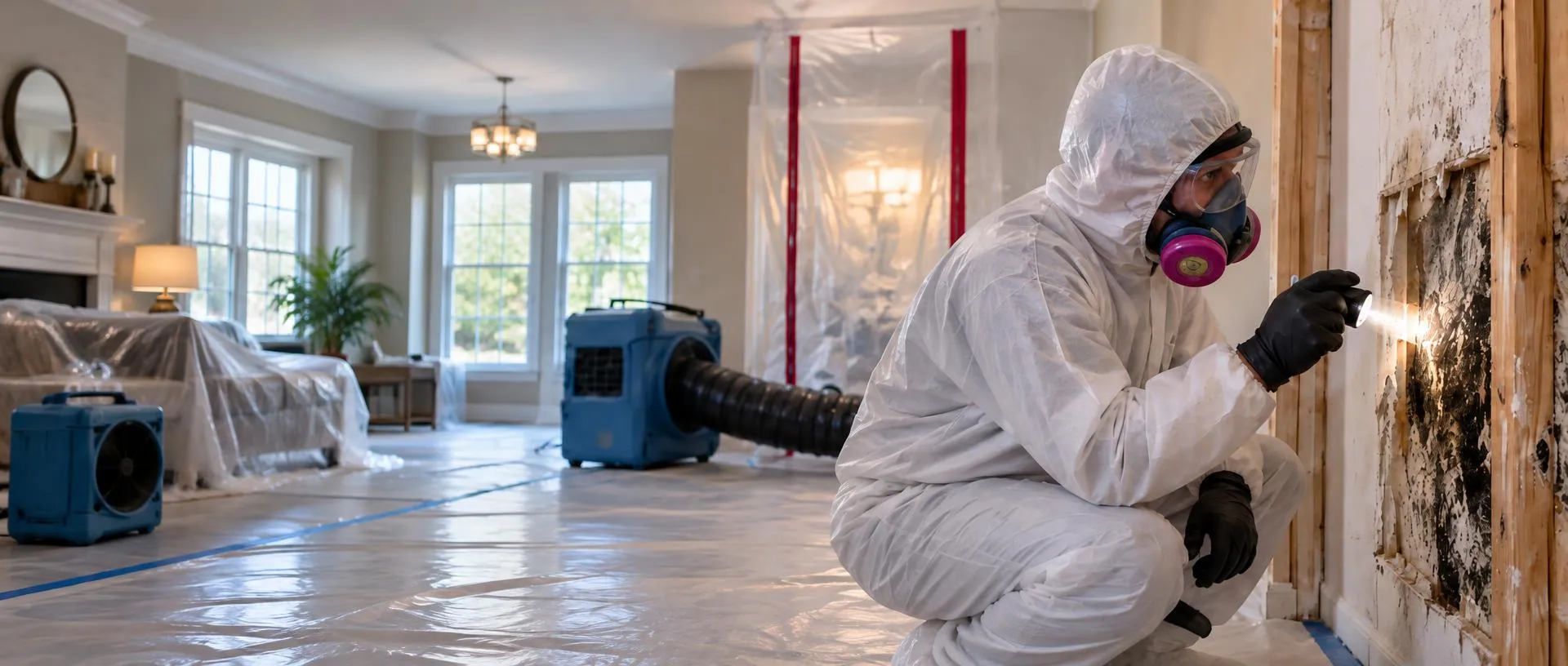
Odor Removal & Air Purification in Woodstock, GA
Odor Removal and Air Purification for Woodstock Homes
Tell us what you're smelling and we'll work out where it's coming from and how to clear it.
What Odor Removal and Air Purification Really Cover
If your Woodstock home smells musty, smoky or just stale after a leak, you're dealing with more than a bad smell. Odors come from tiny particles and gases in your air and in the materials around you, so a room freshener won't touch them. Odor removal and air purification means pulling those particles out of the air with HEPA filtration and treating the materials that are holding the smell. We do it so your rooms actually smell clean again, not just covered up for a few days.
Most of the time this work runs alongside a mold or water damage job. Your air gets scrubbed while walls are open, and then we treat the smell left in carpet, drywall and insulation once the source is dealt with. You can also call us when the smell is your main complaint and you aren't sure where it's coming from. Humid Georgia summers, damp crawl spaces and attics that trap moist air all make lingering odors common around Woodstock, so you're far from the only one asking about it.
Woodstock Mold Remediation Is Proud to Serve Woodstock
How We Clear the Air in Your Home
Which method fits depends on what's causing the smell, how far it's spread and what your rooms are made of. We often combine a few of them, and we explain each one before it starts so you know what to expect in your house. You won't be left guessing why a particular machine is running in your living room. These are the four main tools we use.
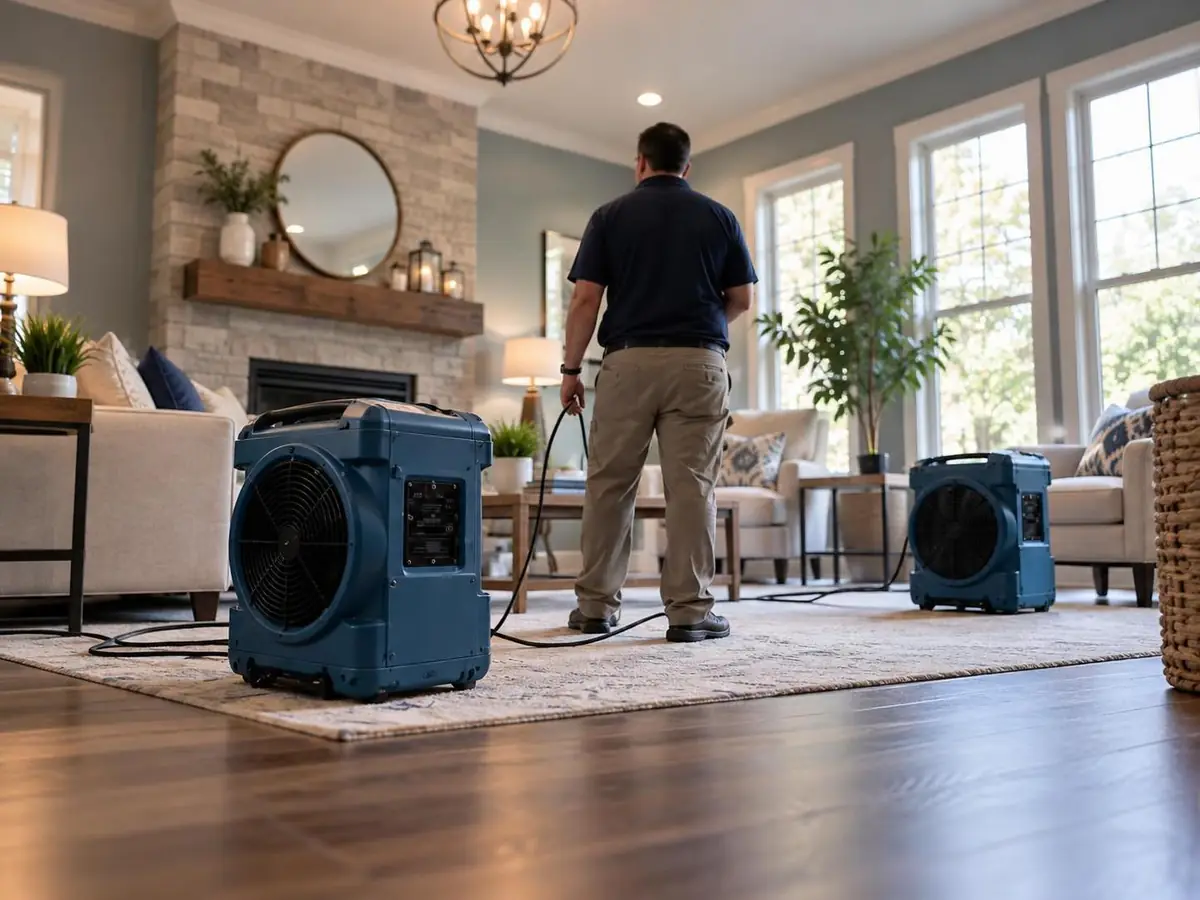
HEPA Air Scrubbing
Portable HEPA units pull air through fine filters that catch mold spores and odor particles down to 0.3 microns. You'll hear them running, and they keep working while walls are open so spores don't settle elsewhere.
Hydroxyl Generation
Hydroxyl machines break odor molecules down without the harmful byproducts of ozone. They suit musty mold and mildew smells and can run in rooms where you need to come and go.
Selective Ozone Treatment
Ozone neutralizes heavy odors like smoke at the molecular level, but EPA and OSHA limit indoor exposure. So we use it selectively, in sealed rooms with everyone out until the air has cleared.
Deodorizing and Fogging
Chemical or enzymatic treatments and fine fogging reach odors held in carpet, upholstery and other porous materials. We apply them after the source is cleaned or removed, never instead of that step.
Typical range (Georgia)
| Project type | What it typically involves | Typical range (Georgia) |
|---|---|---|
| General odor removal | Treating the air and affected materials in the rooms where the smell is, with the method matched to the source | $200 to $1,500 |
| Mold or mildew odor | HEPA air scrubbing and hydroxyl or enzymatic treatment once the moisture source is dealt with | Varies by job; ask for an estimate |
| Smoke odor | Ozone or hydroxyl treatment with air scrubbing and deep cleaning of porous surfaces | Varies by job; ask for an estimate |
| Whole-home air purification system | A permanent system tied into your HVAC for ongoing allergen and odor reduction | Varies by job; ask for an estimate |
These are typical published ranges for Georgia from home cost guides, not a quote. Your actual price depends on the source of the smell, how far it has spread and what the inspection finds. See our full cost guide →
What We Check First
Before we set up a single machine, we walk through with you and follow your nose. We ask when the smell started, whether it's stronger at certain times of day, and whether you've had a leak, a storm or a spill. We note which rooms smell and which don't, because that pattern often points straight at the source, whether it's a bathroom wall, a crawl space or a closet against an exterior wall.
Next we look for what's feeding the smell. We use a moisture meter on drywall, wood and flooring, check around plumbing, windows and ceilings for staining, and look in attics, crawl spaces and under carpet when it makes sense. A thermal camera can show damp spots you can't see. Smoke and sewage odors get a different set of questions, since the residue and the right treatment aren't the same as for mold.
What we find shapes the plan and the estimate. If the odor is coming from active mold or ongoing moisture, we'll tell you that has to be handled first, and we'll explain how odor work fits alongside it. Then we list the rooms, the methods and the materials to treat or replace, so your estimate reflects your home and not a generic package. You'll know what's included before we start.
How Odor Work Fits With Our Other Services
Odor removal usually works hand in hand with the rest of what we do. Mold Remediation and Water Damage Restoration deal with the sources that create most smells, and Dehumidification and structural drying keep them from returning. Once the air is clean, Carpet and Flooring Replacement handles padding and floors that can't be saved, and Painting and Refinishing finishes the rooms. You can book just the odor work or any mix of these, and we'll help you sort out the order.
Get Your Free Estimate Today
Describe the smell and where you notice it, and we'll take it from there.
Why Choose Us for Odor removal / air purification?
We Treat the Source, Not Just the Smell
Because odors come back when moisture or residue is left behind, we look for the cause first. That way the air treatment has something solid to build on and doesn't wear off in a few weeks.
Methods Matched to the Odor
Mold, smoke and water smells don't respond to the same tools. We pick between air scrubbing, hydroxyl, ozone and deodorizing treatments based on what's in your home, so you're not paying for steps you don't need.
Careful With Ozone
Ozone has real exposure limits, so we use it selectively and only in sealed, empty spaces. Where a gentler option like hydroxyl will work, we'll say so and let you weigh in.
Plain Talk Before We Start
We explain what each machine does, which rooms you'll need to stay out of and what the estimate covers. You can ask questions at any point, and we'll answer in everyday words.
What Usually Causes Lingering Odors
Lingering odors almost always trace back to moisture. When water sits in drywall, carpet padding, insulation or a crawl space, mold and mildew start growing and give off that musty smell you notice. Smoke and sewage leave their own residue in porous materials. The smell is a symptom, and the real cause is whatever is keeping things damp or holding the contaminant. Odors also soak in behind paint and deep into fibers, which is why a quick surface cleaning rarely clears them for good.
That's why we treat the cause along with the smell. If we deodorize a room while a slow leak or high humidity is still feeding growth, the odor comes back, often within weeks. Industry guidance points out that smells hanging on past about two weeks usually mean mold wasn't fully removed or there's a second moisture source nearby. Finding that source, drying the area and removing what can't be saved lets the air treatment hold, so you aren't paying to clear the same smell twice.
Getting Your Home Ready
Clear the Way
Move small items, toys and anything fragile out of the rooms we'll be working in, and leave a clear path to closets, attics and crawl space openings. We'll move heavy furniture with you if needed.
Plan for Pets and Plants
Keep pets, birds and fish tanks somewhere else during treatment, especially if ozone is on the plan. Houseplants can go with them. Tell us about any breathing concerns in your household beforehand.
Leave the Smell in Place
Resist the urge to spray air fresheners or run scented candles before we arrive. Masking the smell makes it harder for us to find the source and judge how far it's spread.
Gather What You Know
Jot down when the smell started, any past leaks or repairs, and any insurance paperwork you have. Photos of stains or damp spots help too, and they make the walkthrough quicker.
Odor removal / air purification Questions
Is ozone treatment safe for my family and pets?
Ozone has exposure limits set by EPA and OSHA, so it's done with the room sealed and nobody inside, including pets and plants. You come back only after the ozone has dissipated. We use it selectively, mainly for heavy smoke odors. For musty mold smells, hydroxyl generation is often a gentler choice, and we'll talk through which one fits your home before anything runs.
How long does odor removal take?
It depends on the source and how far it's spread. A single room can often be treated in a day or a few days, while a whole home may take closer to a week, and that's after any mold or water source has been dealt with. If the area needs air testing afterward, lab results usually add a few more days. We'll give you a realistic picture after the inspection.
Do I have to leave my home during treatment?
Not always. HEPA air scrubbing is quiet enough to live around, though you'll hear the units. Hydroxyl treatment can usually run with you coming and going. Ozone is different, because the space must be sealed and empty while it runs. We tell you ahead of time which rooms you'll need to stay out of and for how long, so you can plan around it.
Will my homeowners insurance cover odor removal?
It depends on your policy and what caused the smell. When odors come from a covered sudden water loss, treatment is often part of that claim, while long-term leaks and humidity problems are commonly excluded. Read your policy and talk to your insurer before work begins. We can provide photos, moisture readings and a written scope of work to support your claim, but we can't promise what your insurer will decide.
What if the smell comes back after treatment?
A returning smell usually means moisture is still present somewhere or the source wasn't fully removed. If you notice it within days or weeks, call us and we'll recheck with moisture meters and look in places we couldn't reach the first time. Fixing that second source is what makes the air treatment last. Keeping humidity down and repairing leaks promptly helps keep it from happening again.
How an Odor Job Runs From First Call to Follow-Up
You Tell Us What You Notice
You call or send a message describing the smell, where it's strongest and what's happened in the house. That helps us bring the right equipment and set up a time that works for your household.
We Inspect and Find the Source
We walk the home with you, take moisture readings, check hidden spots and trace the odor to its cause. You'll hear what we found and what it means before any treatment is planned.
We Fix the Cause First
Wet or contaminated materials come out, the area gets dried and any mold is handled properly. Odor treatment on top of an active source doesn't last, so this step comes before the air work.
We Scrub and Treat the Air
HEPA scrubbers run through the space, and we add hydroxyl, ozone or deodorizing treatments where the odor calls for them. Rooms that need to be sealed and empty are explained to you in advance.
We Check Results and Follow Up
We walk through with you to see whether the smell has cleared, and we can recommend independent air testing if you want written confirmation. If something lingers, we look again for a second source.