Painting and Refinishing in Woodstock, GA
Painting and Refinishing After Water Damage or Mold in Woodstock
Tell us about the walls, ceilings or wood in your home and we'll explain what the finish work will take.
Getting Your Walls and Wood Looking Like Home Again
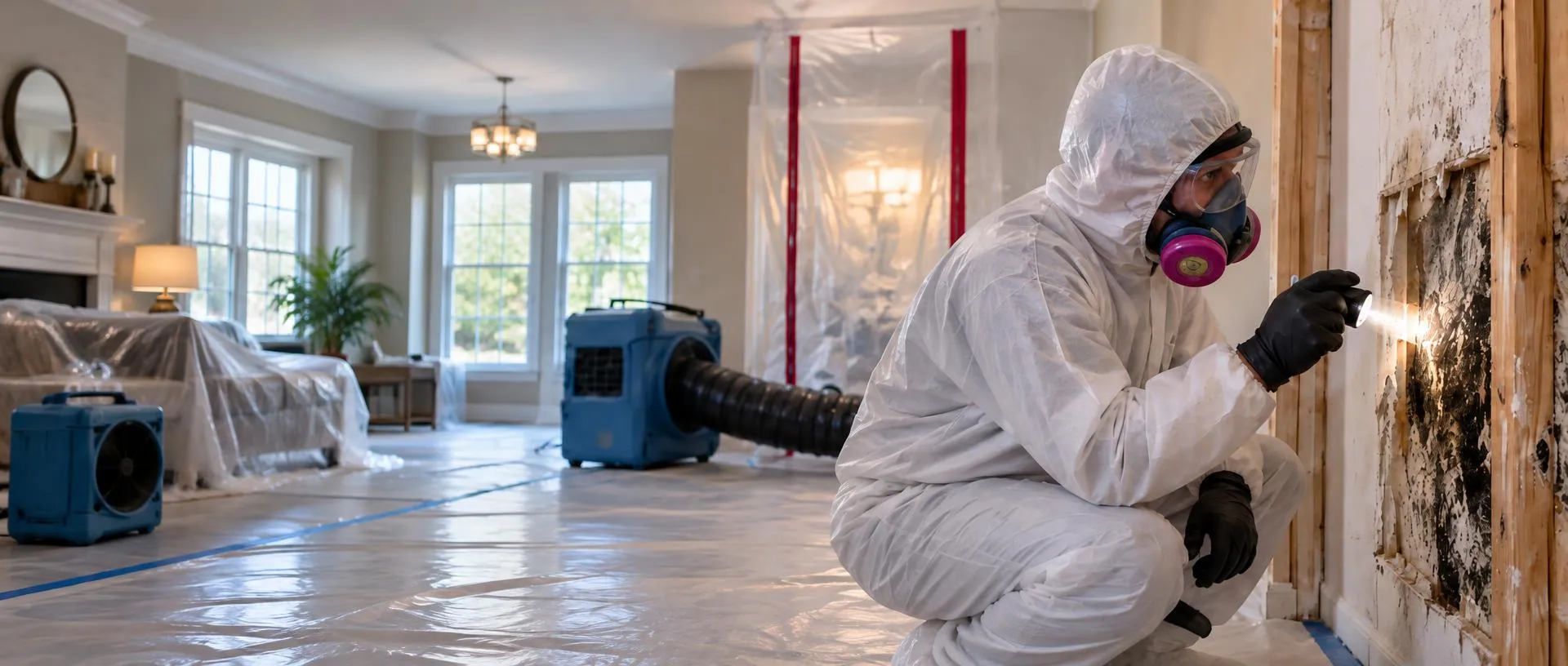
Painting and refinishing is the last step after water damage or mold, and it's what turns a patched-up room back into one you'd want to live in. You'll see it in the new drywall that's been primed and painted, the ceiling that no longer shows a brown ring, and the trim and wood that match again. We do this work only after your home is dry and any mold has been dealt with, because paint over a damp wall just hides a problem and lets it grow.
Georgia's humid summers and sudden storms mean many Woodstock homes get moisture in walls, ceilings, crawl spaces and attics, so a lot of our painting follows a leak or a remediation job. Because we handle the earlier steps too, you won't have to juggle several crews, and the paint goes on a surface that's been checked and is ready for it. Tell us what you're seeing and we'll walk through what the finish work needs, from stain-blocking primer to matching your texture and color.
Woodstock Mold Remediation Is Proud to Serve Woodstock
What Our Painting and Refinishing Covers
Our painting work covers the finish stage of a repair, from sealing stains to matching the look you had before. Most of it happens on drywall, ceilings, trim and wood. If a rebuild grows into larger construction, Georgia licenses residential and general contractors, and you can ask about that at the Georgia State Licensing Board for Residential and General Contractors, which is a good place to go when you want to check a contractor.
Stain-Blocking Primer
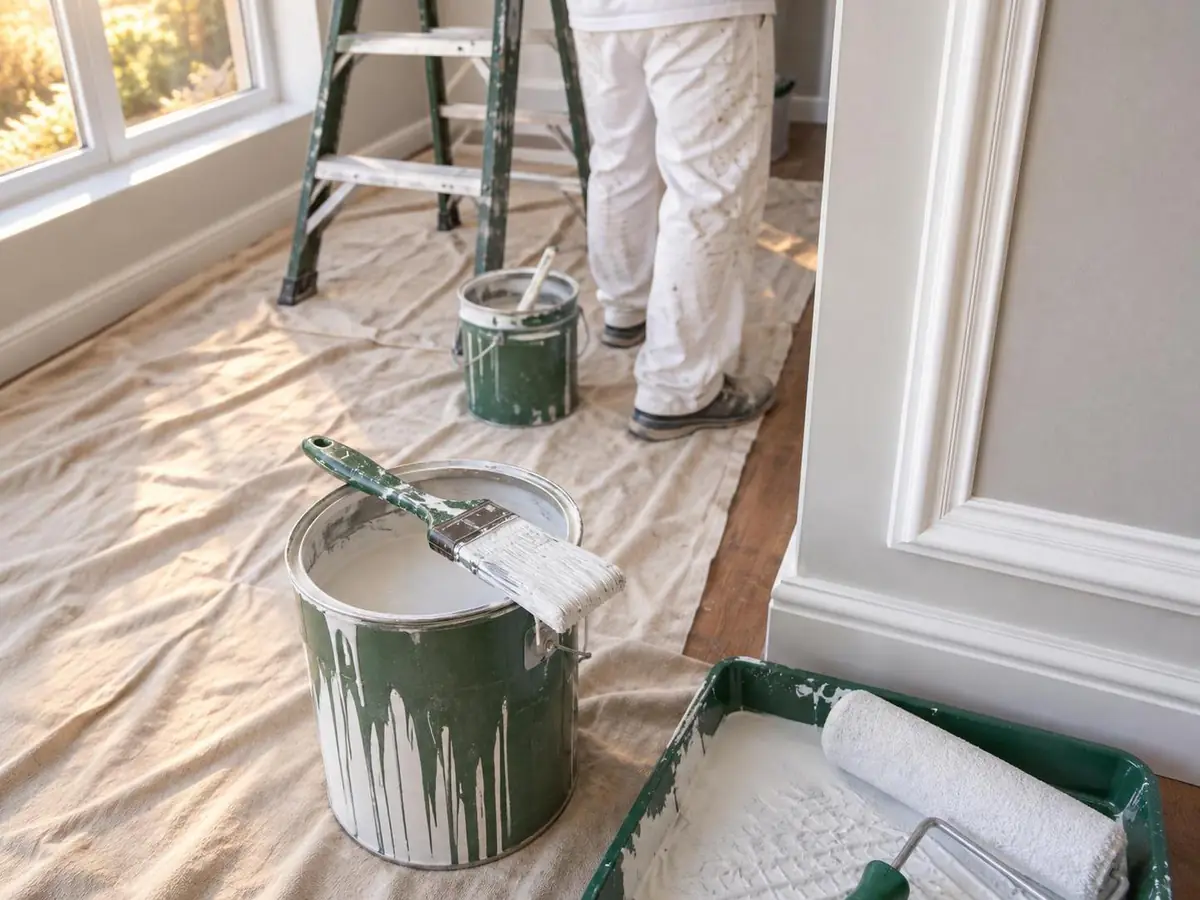
Water stains bleed through ordinary paint, so we seal repaired and stained surfaces with a stain-blocking primer first. It locks in discoloration and gives your finish coats something solid to grip, which keeps the old stain from showing up again.
Color and Texture Matching
We match your existing paint color and your wall texture, whether it's knockdown, popcorn or hand-troweled. Texture takes skill and the right equipment, and a sample of your original finish helps us blend the repair so it doesn't catch your eye.
Ceiling Finishing
Ceilings that got wet often need texture repair, primer and paint, and sometimes a sagging section fixed first. We finish the whole ceiling surface so you don't end up with a patch that looks different from the rest.
Trim, Baseboards and Caulking
Fresh trim and baseboards get painted, and gaps along edges and corners are caulked and sealed. This gives the room clean lines and closes small openings where moisture or dust could collect later.
Wood Refinishing
For hardwood, trim and cabinets, we sand the surface, apply stain if you want a color change, and finish with a polyurethane topcoat. It takes several coats with drying time between each one, so we plan the schedule around it.
Typical range (Atlanta metro)
| Project type | What it typically involves | Typical range (Atlanta metro) |
|---|---|---|
| Interior paint, per square foot | Labor and paint for standard interior walls, priced by the area being painted | $1.20 to $2.90 |
| Small bathroom (about 6 x 9 ft) | Prep, primer and paint for a compact room with trim and tight spots | $500 to $1,100 |
| Small bedroom (about 10 x 10 ft) | Walls and trim in a standard bedroom, with prep and two coats | $600 to $1,300 |
| Medium living room (about 16 x 20 ft) | A larger open room with more wall area, trim and prep work | $1,200 to $3,000 |
These are typical published ranges for the area, taken from home cost guides, and they are not a quote. Your actual price depends on what the inspection finds, such as prep needed, texture matching and how many rooms are involved. See our full cost guide →
How Long the Work Takes and What It Means at Home
Painting after water damage or mold usually runs longer than people expect, because it can't start until drywall repair has cured and the area is confirmed dry. Joint compound needs time between coats, primer goes on next, and paint needs at least two coats with drying in between. Wood refinishing adds its own drying time between coats. A single room can take a number of days, and a larger job can stretch over a week or two, depending on the repairs and the weather.
For your household, the room being worked on will be out of use, and you'll want to keep pets and children out of it while paint and finishes dry. Sanding makes dust and some noise, though we keep it contained to the work area. Most families stay at home through the job. If you're sensitive to fumes, tell us and we'll talk through ventilation and product choices before we start.
What Tells You It's Time to Repaint or Refinish
Most owners notice the need for this work with their own eyes, usually once the repairs and drying are finished.
- You can see a yellow or brown water ring on a ceiling or wall, even after the leak was fixed.
- New drywall patches stand out as bare, gray or lighter squares against the rest of the wall.
- Paint is bubbling, peeling or flaking, often near a window, a bathroom or an outside wall.
- Stains keep showing through a coat of regular paint you already tried to cover them with.
- Baseboards, trim or cabinet doors look swollen, cracked, discolored or rough after being wet.
- Wood surfaces have gone dull, cloudy or patchy where the finish was damaged by moisture or cleaning.
- Your wall or ceiling texture no longer matches after a section was cut out and replaced.
Get Your Free Estimate Today
Tell us about the rooms, stains or wood you want finished, and we'll talk through the next steps with you.
Why Choose Us for Painting and refinishing?
Paint Goes On Last, Not First
We hold off on painting until drying is verified and repairs are done. The IICRC S500 standard treats painting as the final step after structural drying and repair, and that order keeps paint from trapping moisture behind it.
We Check Moisture Before We Paint
Wood framing generally needs to be below about 20 percent moisture before finishing. Checking first means we aren't covering a wall that's still damp, which is how mold and failing paint get started.
One Team From Cleanup to Finish
Because we also handle mold, water damage and drying, we know what happened behind your walls. That means fewer handoffs, fewer gaps, and a finish that matches the repairs underneath it.
The Right Product for the Room
A bathroom or basement doesn't need the same paint as a bedroom. We pick stain-blocking primer, standard acrylic latex, or mildew-resistant paint to suit how damp the space tends to get.
Keeping Your New Finish Looking Good
After the final walk-through, give fresh paint and finishes time to cure before you scrub, hang heavy items or push furniture against them. Wood finishes especially need a few days of gentle treatment. Watch for new stains, bubbling, peeling or a musty smell in the weeks that follow, because those point to moisture that's still coming from somewhere. If you notice any of them, call us early so we can look before it spreads.
Painting only hides moisture if the source isn't fixed, so keep your home's humidity in a comfortable range, run bathroom and kitchen fans, and repair leaks as soon as you spot them. Mildew-resistant paint can help in bathrooms and other damp rooms, but it can't replace good airflow and dry conditions. A quick look at ceilings and wall corners a few times a year will catch trouble before it reaches your fresh finish.
Painting and refinishing Questions
Can I paint right after the drywall is repaired?
Not right away. Joint compound has to cure fully, usually about a day per coat and several days for the whole finishing process, before it's ready for primer. Painting too soon can trap moisture and cause the compound to fail or mold to grow. We wait, sand the surface, prime it and then paint, so the finish holds up and you don't end up redoing it a few months later.
Why does painting over a water stain take more than one coat?
Water stains carry tannins and other marks that bleed through ordinary paint, so a stain-blocking primer has to go on first to seal them in. After that, standard paint usually needs at least two coats for an even color, with drying time between each. Skipping the primer is the most common reason a stain reappears, so we treat it as a required step rather than an extra.
Will mold come back under the new paint?
It can if the moisture source hasn't been fixed. Paint over a wall that's still getting water is only a cosmetic cover, and mold can regrow behind it. That's why we confirm the area is dry and the leak or humidity problem is addressed before we paint. Mildew-resistant paint can add some protection in damp rooms, though it works best alongside ventilation and moisture control.
Should painting happen before or after new flooring goes in?
Painting comes last so overspray and drips can't damage new flooring. The usual order is flooring first, then trim and caulking, then primer, then paint. If your job includes carpet or floor replacement, we'll schedule the finish work after it and protect the new floor while we work, so everything lands in a sensible order and nothing gets done twice.
Is it safe to stay home while you paint and refinish?
Most households stay at home through the job. We keep the work contained to the affected rooms and ventilate while products dry. Keep children and pets out of those rooms until the finishes have cured, and tell us if anyone in your home is sensitive to fumes or has asthma. We can talk through low-VOC paint options and adjust the schedule so you stay comfortable.
Does insurance cover painting after water damage or mold?
It depends on your policy and on what caused the damage. Painting that follows a covered sudden water loss is often part of the repair, while gradual leaks and maintenance issues are commonly excluded. Read your policy and talk with your insurer before work starts. We can supply photos, notes and a written scope that separates the painting from the rest of the job, which makes the conversation with your insurer easier.
How a Painting and Refinishing Job Runs
You Tell Us What You're Seeing
You reach out about stained walls, new drywall or damaged wood, and we ask about the cause, what's already been repaired and what the room looked like before. That gives us a starting picture of the job.
We Look at the Surfaces and Moisture
We walk the area, check moisture levels in drywall and framing, and note texture, trim and wood that need work. Then we write up the plan and an estimate so you know what's included.
We Prep and Prime
Drywall is sanded smooth after the joint compound cures, gaps are caulked, and wood is sanded. Then we apply stain-blocking primer so old marks can't bleed through your new finish.
We Paint and Refinish
We match your color and texture, then apply at least two coats of paint with drying time between them. Wood gets stain if wanted and a polyurethane topcoat in several coats.
We Walk It With You
Once everything has dried, we go through the rooms with you, look at the edges and corners in good light, and fix anything that needs a touch-up. Then we explain how to care for the new finish.