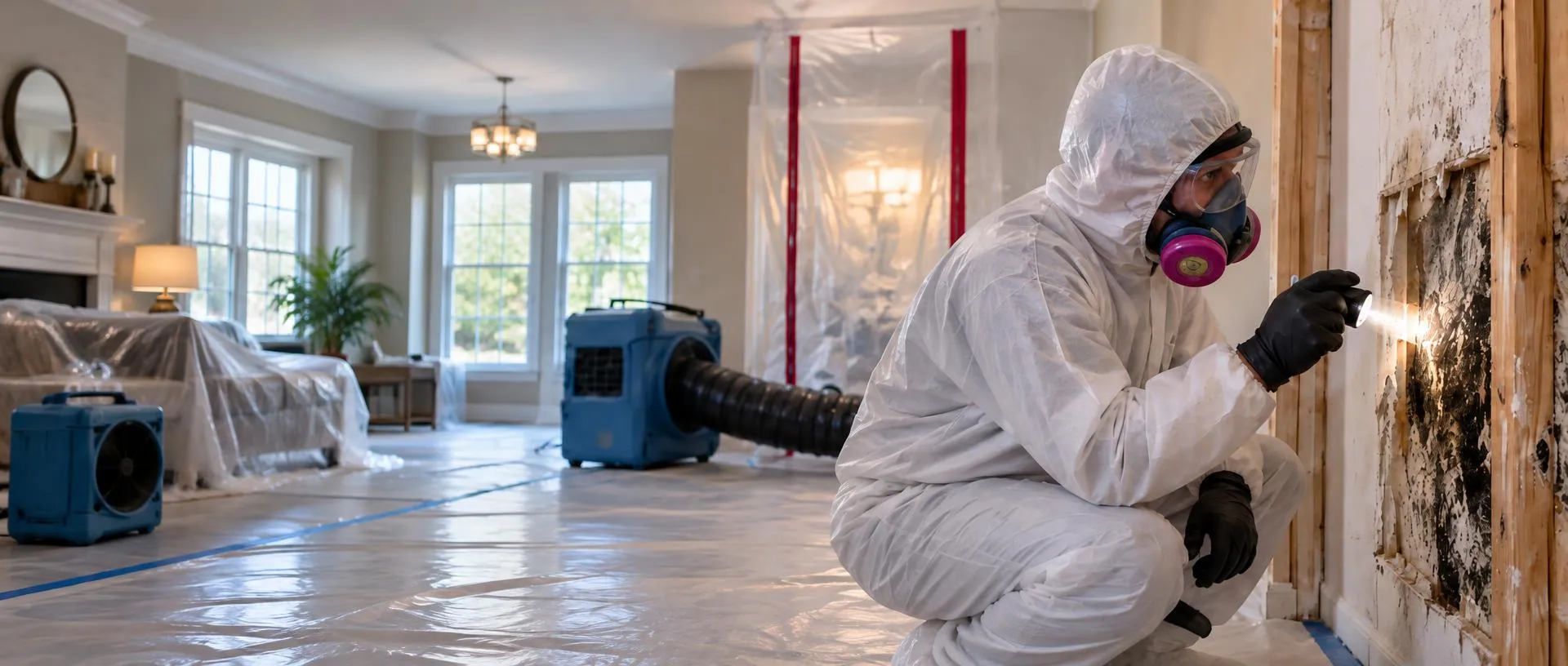
Water Damage Restoration in Woodstock, GA
Water Damage Restoration in Woodstock, GA
Tell us what happened and we'll help you get the water out and your home drying.
How Water Damage Restoration Gets Your Home Dry Again
The first day or two after a leak matter more than anything else, because mold can start growing within 24 to 48 hours once materials stay wet. Water damage restoration is the work of pulling out standing water, drying the walls, floors and framing underneath, and repairing whatever the water ruined. You might only see a stained ceiling or a soggy carpet, but moisture travels into cavities you can't see, so we look well beyond the obvious spot.
We handle the job from the first call to the last moisture reading. That means finding where the water came from, working out how clean or dirty it is, taking out what can't be saved and drying what can. Our Georgia humidity makes this harder than you'd think, since damp summer air slows drying and gives mold a head start, so steady equipment and daily readings matter here.
Woodstock Mold Remediation Is Proud to Serve Woodstock
What's Included in Water Damage Restoration
Restoration has two halves: mitigation, which stops further damage by extracting and drying, and rebuilding, which replaces drywall, flooring and paint. Georgia licenses residential and general contractors for larger rebuild work, and the Georgia State Licensing Board for Residential and General Contractors is where you can ask about licensing before you hire anyone for repairs. Here's what the work typically includes.
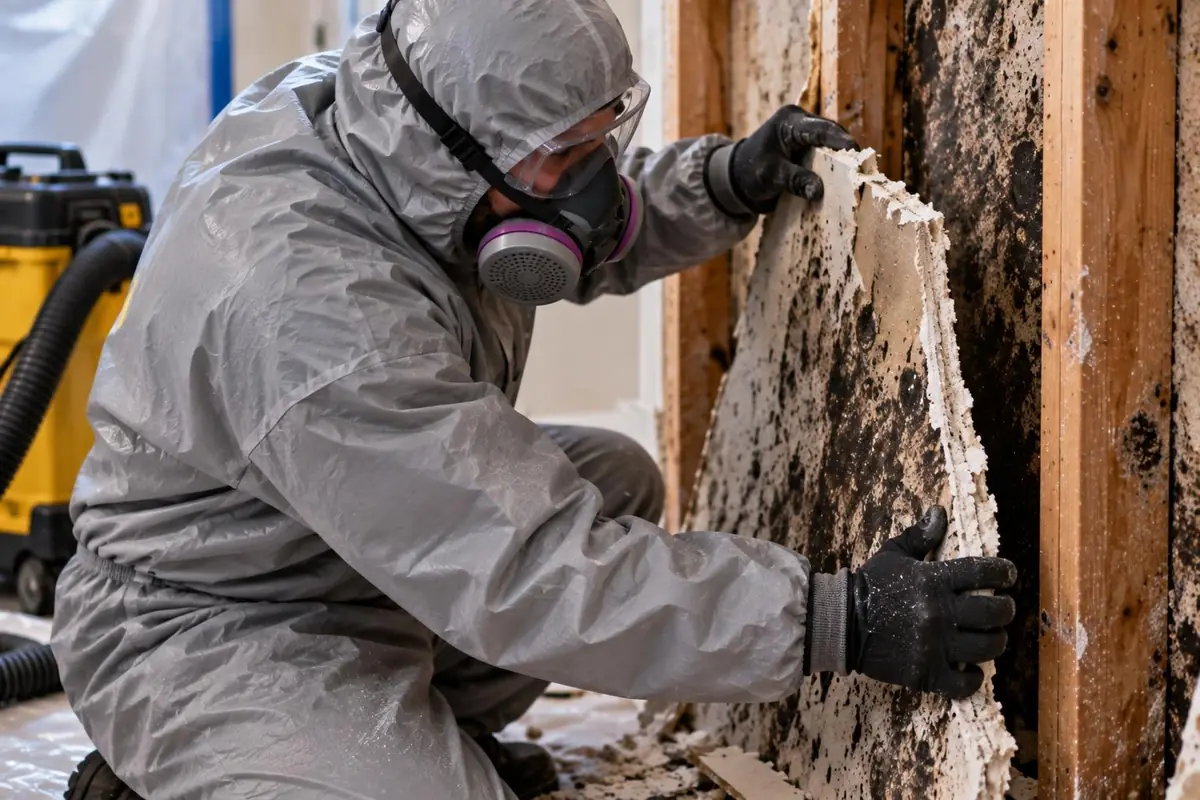
Assessment and Moisture Mapping
We find the water source, decide whether the water is clean, gray or black, and use moisture meters and thermal imaging to map how far it has spread into walls, floors and ceilings.
Water Extraction
Standing water comes out first, using pumps and extractors on floors and in accessible cavities. Getting the bulk of it out quickly shortens drying time and limits what the water can soak into.
Structural Drying
Air movers and dehumidifiers pull moisture out of framing, subfloors, walls and insulation. The goal is the dryness of the materials themselves, not just air that feels dry to you.
Removing Materials That Can't Be Dried
Soaked drywall, insulation and carpet padding often can't be dried reliably, and leaving them in place invites mold. We cut out and bag what has to go and protect what can stay.
Antimicrobial Treatment and Odor Control
Once surfaces are cleaned and dry, we apply treatments to discourage mold growth and use air filtration and deodorizing to deal with musty smells left behind by the water.
Documentation and Monitoring
We take daily moisture readings and keep an equipment log and before and after moisture maps. Insurers often want this paperwork, and it shows you when your home is actually dry.
Typical Water Damage Restoration Costs
| Project type | What it typically involves | Typical range (Canton, near Woodstock) |
|---|---|---|
| Small bathroom leak | Extracting water, drying a bathroom floor and nearby wall, and checking for hidden moisture | $1,000 to $2,000 |
| Water heater burst | Removing a large release of clean water, drying floors and walls and removing soaked materials | $1,500 to $3,000 |
| Flooded basement | Pumping out standing water, drying the structure, removing wet carpet, insulation and drywall | $3,000 to $6,000 |
| Sewage backup | Handling contaminated water safely, removing affected materials, cleaning and drying the area | $5,000 to $20,000 or more |
These are typical published ranges for the area from home service cost guides, not a quote, and your actual price depends on what the inspection finds, including the type of water, how far it spread and how long it sat. See our full cost guide →
What Happens After the Drying Is Done
Once the readings show your materials are dry, we confirm the numbers with you and hand over the moisture logs and records. Repairs like new drywall, flooring and paint can start from there. In the weeks that follow, keep an eye out for musty smells, new stains, bubbling paint or warping floors, since any of those can mean moisture is still hiding somewhere.
To keep the problem from coming back, fix the cause and keep humidity in check. Repair the leak or drainage issue that started this, run a dehumidifier or your air conditioner so indoor humidity stays below about 50 percent, and use bathroom and kitchen fans. If something doesn't smell or look right later, call us early, because a quick look is easier than a second cleanup.
How Water Damage Restoration Fits With Our Other Services
Water and mold often arrive together, which is why Mold Remediation is our main service. If water has sat long enough for growth to start, we can handle containment and removal as part of the same project. Dehumidification and structural drying is the heart of the drying phase, and Odor removal and air purification clears the musty smell water leaves behind, so none of it has to be arranged separately.
When water ruins flooring or walls, Carpet and flooring replacement and Painting and refinishing finish the job so your rooms look and feel like home again. Having one team handle the extraction, drying, rebuild and cosmetic work means fewer handoffs, a clearer scope on paper and less to coordinate while you're already dealing with a stressful situation.
How Long the Work Takes and What It Means at Home
Drying often takes several days, and wood framing and subfloors can take longer to reach safe moisture levels, so we go by the readings rather than the calendar. Repairs such as drywall, flooring and paint come afterward and can add a week or more depending on how much was removed. We can't promise exact times because every job depends on how much water there was and how deep it went.
While equipment runs, expect the affected rooms to be out of use, and expect steady fan and dehumidifier noise day and night. Most families can stay home and use the unaffected parts of the house. We'll tell you which rooms to keep clear, how to keep pets and kids away from equipment, and what to expect on each visit so the disruption doesn't catch you off guard.
Get Your Free Estimate Today
Describe what happened and where the water is, and we'll talk you through the next steps.
Why Choose Us for Water Damage Restoration?
Drying Judged by Readings
We decide a structure is dry by measuring moisture in the materials, not by how the room feels. That helps avoid sealing up damp framing that could grow mold later.
Source Found Before Equipment Goes In
We trace where the water came from first, because drying a house with an active leak just wastes your time and money. You'll know what has to be repaired.
Records You Can Hand to Your Insurer
Daily moisture logs, equipment records and before and after moisture maps are part of how we work, so you have clear documentation when your carrier asks for it.
Mold Awareness From the Start
Because mold remediation is our main work, we watch for early growth during water jobs and can address it right away instead of sending you to someone new.
Plain Answers at the Front Door
We explain what we found, what has to come out, what can stay and why, in everyday words, so you can make decisions without feeling rushed or confused.
What We Check First
Before we set up any equipment, we find out where the water came from and whether it's still coming. A broken supply line, a failed appliance hose, a roof leak and a sewer backup each call for a different plan, and no drying plan works while water is still getting in. We'll look at the area you've noticed and trace the path the water took from there.
Next we figure out how clean the water is and how far it went. The IICRC S500 standard sorts water as clean, gray or black and damage into four classes, and those categories help explain what can be dried and what has to be removed. We use moisture meters and thermal imaging to check walls, subfloors and ceilings, because wet material often looks perfectly fine from the surface.
What we find shapes both the plan and your estimate. It tells us how much equipment the job needs, which materials can be saved, whether mold is already a concern and whether rebuilding will follow. You'll get a clear explanation of what we saw and why we recommend each step, so you can ask questions before any work starts and see where the estimate comes from.
What Tells You Water Has Done Damage
Some water damage is obvious and some hides for days, so here's what you can notice yourself.
- Stains, bubbling paint or sagging patches on ceilings and walls, especially under bathrooms, roof lines or water heaters, which mean moisture is sitting inside the material.
- Carpet that feels damp or squishy underfoot, floorboards that cup or buckle, or baseboards that swell and pull away from the wall.
- A musty smell in a room, closet or basement that doesn't go away when you air it out, which often means hidden wet materials.
- Standing water after a pipe break, appliance leak, storm or sewer backup, even if you've mopped up and it looks dry.
Water Damage Restoration Questions
What's the difference between mitigation and restoration?
Mitigation is the emergency part: stopping further damage by extracting water, drying the structure and removing materials that can't be saved. Restoration is the rebuild that follows, like replacing drywall, flooring and paint. Many homeowners need both, but the work is billed and scheduled separately, so it helps to ask for the scope of each part in writing. Doing mitigation quickly also keeps the rebuild smaller and more manageable.
How long does water damage restoration take?
Extraction and drying commonly take several days, though thick wood framing and subfloors can need longer to reach safe moisture levels. We rely on daily moisture readings, not a set schedule, to know when drying is done. Repairs such as drywall, flooring and painting come after that and add more time depending on how much was removed. We can't promise a number up front, but we'll give you our best read after the inspection.
Can I stay in my home during the work?
Usually, yes. The affected rooms will be out of use while equipment runs, and you'll hear fans and dehumidifiers running around the clock. If the water was contaminated, like a sewage backup, or if a large part of the house is affected, we may suggest staying elsewhere for a while. We'll talk through what's safe for your household, including children, pets and anyone with breathing problems, before we begin.
Why does drying take so long if the floor feels dry?
Surfaces dry first, but water soaks into wood framing, subfloors, insulation and the back of drywall, where you can't feel it. Those materials need to get back to their normal moisture level, and that can take days or longer. If we stop too early, trapped moisture can grow mold or warp materials later. That's why we keep measuring with moisture meters instead of going by touch or smell.
Will my insurance cover water damage restoration?
Homeowners policies often cover sudden events like a burst pipe or storm damage, while flood and slow leaks are commonly excluded. Coverage depends on your policy wording, so check with your carrier early and tell them before work begins. We keep moisture logs, equipment records and photos that insurers often ask for. Photograph the damage yourself too, and keep damaged items until your adjuster has seen them.
Is it safe to clean up water damage myself?
Small, clean-water spills you catch right away, like a cup of water or a quick drip, are usually fine to mop and fan dry. Anything larger, anything that sat more than a day, and any gray or black water from appliances, toilets or sewers is different. Contaminated water can carry bacteria, and hidden moisture can lead to mold. When in doubt, don't handle it alone, and call us for an inspection.
How a Water Damage Job Runs
Your Call and First Questions
You tell us what happened, when and where the water is. We ask about the source, whether it's stopped and whether anyone can safely shut off water or power.
Inspection and Plan
We walk the affected area, find the source, identify the type of water and map the moisture. Then we explain the plan and your estimate before any work begins.
Extraction and Removal
We pump out standing water and remove soaked materials that can't be dried, like padding, insulation and wet drywall, bagging debris and protecting the rest of your home.
Drying and Monitoring
Air movers and dehumidifiers go in, and we return to take moisture readings and adjust the equipment until the materials reach safe dryness levels.
Cleaning, Final Checks and Follow-Up
We clean and treat surfaces, confirm the final readings, pass along the documentation and talk through repairs and what to watch for in the weeks ahead.